
 NEW
NEW
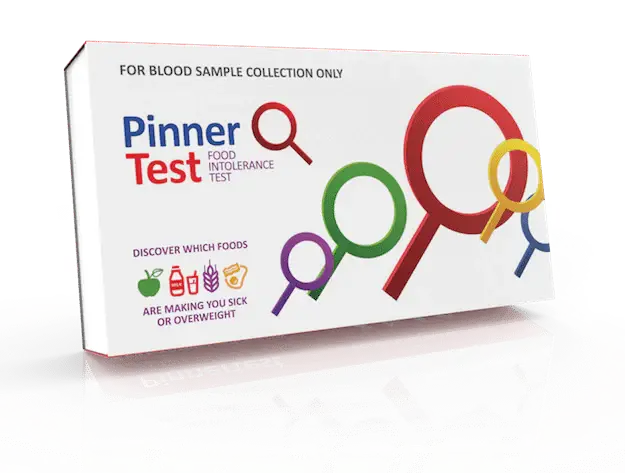
Pinnertest 120
120 Foods
$199
PDF Report

If you notice flare-ups after dairy, chocolate, sugar, gluten, nuts, or certain processed foods, you may be seeing a delayed pattern. For some people, IgG food sensitivities can contribute to systemic inflammation that shows up on the skin.

Delayed timing
Symptoms may appear 8–72 hours after eating.
Common overlap
Acne can appear alongside bloating, fatigue, brain fog, or headaches.
Less guessing
Testing helps identify which foods may be worth investigating.
Food-related acne isn’t just a “surface” issue. When food sensitivity is involved, a delayed immune response may increase inflammation throughout the body—including the skin. That can influence oil production, redness, and the intensity of breakouts.
Because reactions can occur 8–72 hours later, many people never connect “what I ate” with “what my skin is doing.” Tracking helps—but testing can add clarity.
Common foods people suspect include: dairy, sugar, chocolate, almonds, peanuts, wheat & grains, and yeast.
Some people notice skin changes alongside other symptoms—especially when timing is delayed. These are common overlap patterns people report.
Skin and gut symptoms often overlap. Learn more: Food Sensitivity & Skin Issues.
The Pinnertest Food Sensitivity Test measures reactions to 200+ foods, including many foods people commonly suspect in relation to skin patterns (dairy, wheat, nuts, chocolate, eggs, yeast, and more).
Learn the process: How IgG Food Sensitivity Testing Works. Compare options: Best Food Sensitivity Test 2025.
If your acne flares seem connected to meals, it’s important to know this: there is no universal “common trigger list.” Any food can be a problem for the right person, and symptoms may show up hours or even days later. That delay makes guessing unreliable.
Key takeaway: A practical way to reduce guesswork is to use an IgG food sensitivity test and review the results with your healthcare provider.
While waiting for results, the most useful step is simply tracking patterns so you have clean data to compare against your report.
To understand what IgG testing measures and why reactions can be delayed, read: How IgG Food Sensitivity Testing Works.
Educational note: Pinnertest does not diagnose acne or any disease. Use results as information to review with a healthcare professional and build a complete plan.
PINNERTEST IGG FOOD SENSITIVITY PANELS
All panels use the same CLIA-certified laboratory. Select the number of foods and level of online portal access that fits your needs.
Order your chosen panel, collect a quick at-home blood spot sample, mail it to our CLIA-certified lab, and receive your detailed IgG results by email in about 7 days.
NEW
120 Foods
$199
PDF Report
200 Foods
$249
Limited access to portal
(Online Report, Food Details, FAQ)
NEW
250 Foods
$349
Full access to portal
(Online Report, Food Details, Label Scanner,
Custom Recipe Generator, AI Assistant, FAQ)